

Physical Activity in Rhythm With the Maramataka
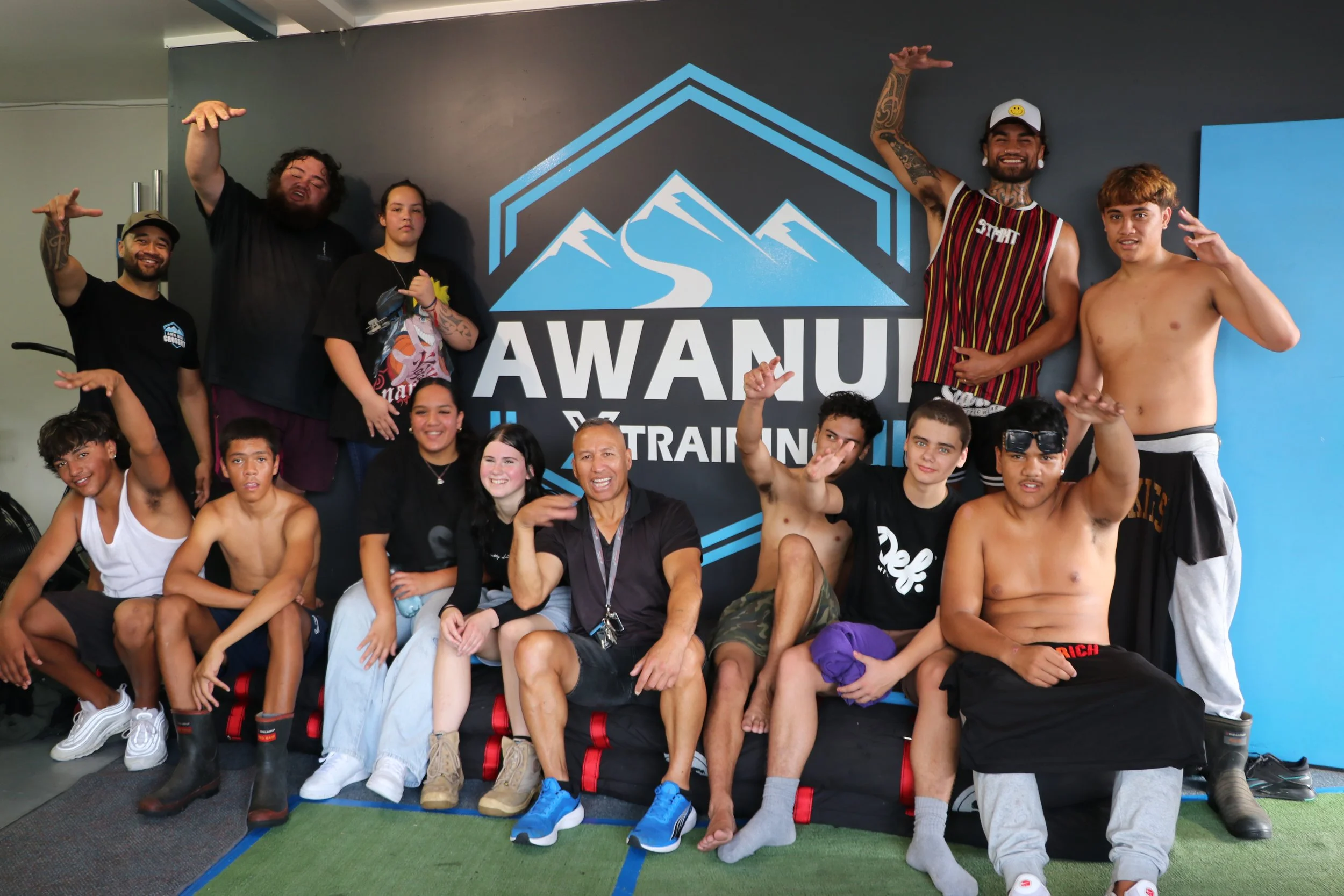
Aligning physical activity with the maramataka (Māori Lunar Calendar) acknowledges that energy is not constant, and that wellbeing improves when movement matches the body’s natural rhythms.
In 2024, a cohort of sixteen rangatahi embarked on an empowerment kaupapa Te Hoeroa Tu Manawa Ora designed to increase the self-efficacy, self-determination and overall hauora of rangatahi aged 14-24. This is a Whanganui-specific, kaupapa Maori approach to rangatahi wellness, sitting within a regional prevention strategy for Growing Collective Wellbeing.
Over a seven-month period, rangatahi took part in a multitude of activities 3-4 days a week, with a ‘noho’ every second week. These included cultural learning (wananga, ritenga, mahi toi), outdoor and food skills (camping, working with the whenua, growing and hunting kai, expeditions from mountains to sea), practical skills (building), and health and wellbeing (exercise, wellbeing practices) with the objective of equipping Rangatahi with a wide range of hard and soft skills, as well as qualifications, to support them in becoming the best version of themselves.
Following the prototype phase feedback indicated strong overall engagement, but participation in physical activity was noticeably lower than in other areas. Rather than assuming a lack of interest, the evaluation explored what was influencing this drop-off and what rangatahi themselves wanted from movement and exercise.
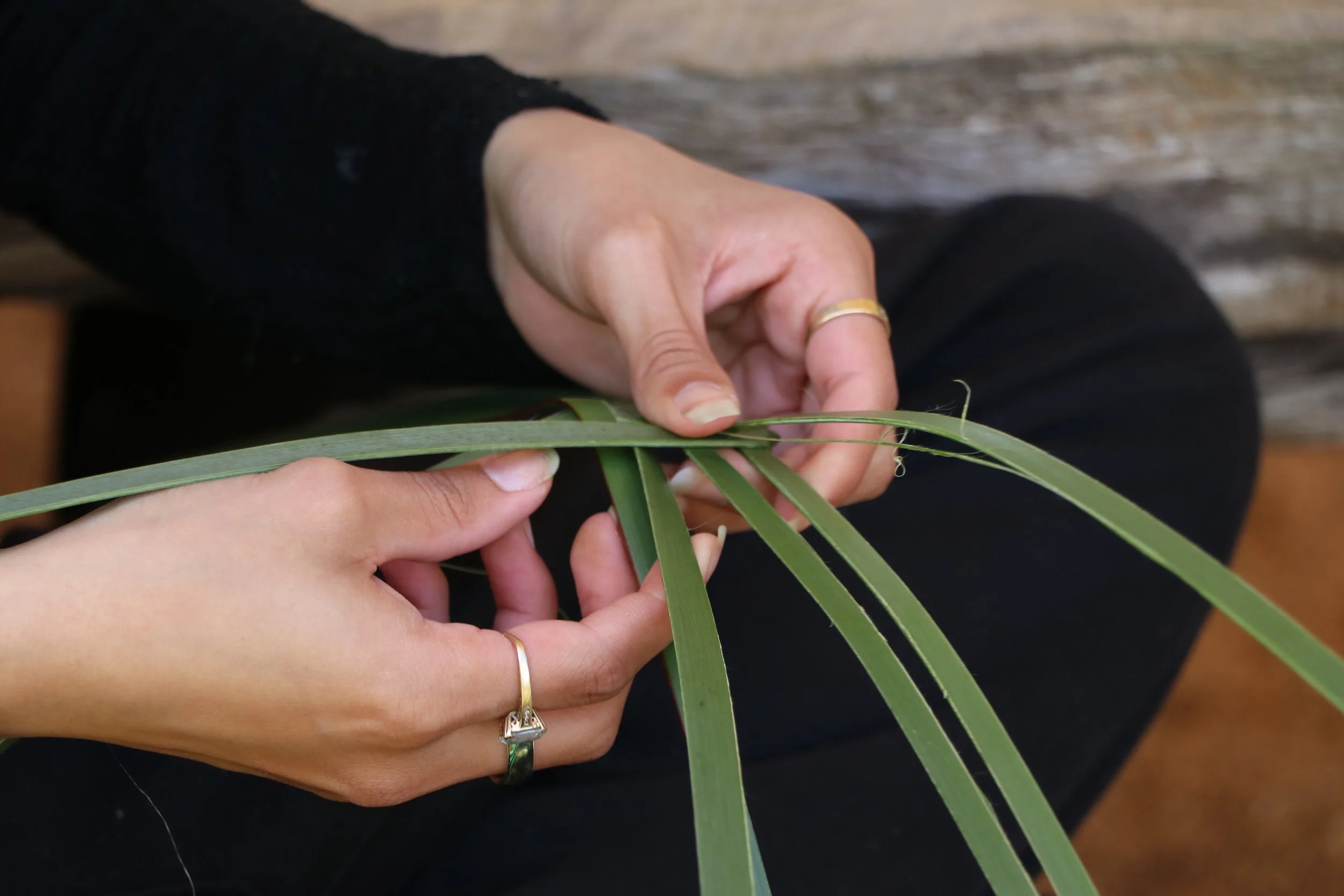
Insights from facilitators and participant feedback highlighted several key factors. Engagement improved when activities had a clear purpose, involved teamwork or competition, or built practical skills such as navigation, bush knowledge, or hands-on learning. Repetition of the same activities reduced motivation, while inconsistent facilitation approaches sometimes affected how comfortable rangatahi felt participating. Importantly, feedback showed that many rangatahi valued being active, especially outdoors and reported improvements in both mental and physical wellbeing when movement felt meaningful and supportive. As one rangatahi expressed, “I was in a deep depression and couldn’t get out of bed for months before this, and since coming on this course my mental health is way better - it’s mainly from being outside, more active, more exercise”.
As Te Hoeroa prepares to launch as a Te Oranganui service summer intern, Kierah Hay-Martin, in her last year of studying towards a Bachelor of Sport and Human Performance at the University of Waikato, was encouraged to design a physical activity approach for rangatahi. Kierah’s approach envisions an alignment of activities with the maramataka (Māori lunar calendar), recognising that energy levels naturally rise and fall throughout the month. High-energy phases are used for more demanding physical challenges such as competitive sport, strength training, or long hīkoi, while low-energy phases focus on gentle movement, recovery, creativity, and reflection. This removes pressure to perform at the same level every day and allows rangatahi to engage in ways that feel achievable and culturally grounded.
Dr. Dave Hursthouse, Rangatahi Lead and Te Hoeroa Facilitator expressed that, “There were times when we were doing physical activity just for the sake of physical activity and often that didn’t go down well.” Dave goes on to share that, “games and sport went down better. Competitions! Capture the flag, Kii-o-rahi. Because there was a bit of a point, playing something, trying to win” and “going for hikoi in the bush generally worked really well. Exploring and learning! Navigating and bush skills”. Kahurangi Simon Jnr, Rangatahi Facilitator, also supported this insight saying, “Anything to do with their hands had a reciprocal outcome, especially when learning a new skill”.
Te Tai o te Tinana shifts the focus from “exercise” to “wellbeing.” The redesign reflects holistic Māori wellbeing models, including those developed by Mason Durie, which emphasise the connection between physical, mental, spiritual, and social health. By integrating movement with cultural identity, environmental connection, and belonging; fitness, self-belief and resilience is achieved.
Mātaiawa, General Manager Operations, Tracey Robinson, will be ensuring this new approach is integrated into Te Hoeroa. She was excited to see Kierah’s work encompass a traditional indigenous framework, such as maramataka, as a means of physically connecting our energy levels to the ebbs and flows of the natural environment.
Next steps: This framework will be introduced with the next cohort of rangatahi, where it will be tested in practice and evaluated for its impact on engagement and wellbeing. Findings will help refine and strengthen the approach for future intakes.