-
Hokia ki ō Maunga: The Decision to Return Home After University
After studying Psychology in Wellington, Kaia Potaka-Osborne made the decision to return home to Whanganui. In this blog, she shares her journey of reconnecting with her iwi, joining Te Oranganui, and contributing to whānau-centred innovation through her work in the Mokopuna Ora initiative and Te Whare Piringa.
-
How Tackling Toxic Stress Together Can Transform Whānau Wellbeing and Create Systemic Change
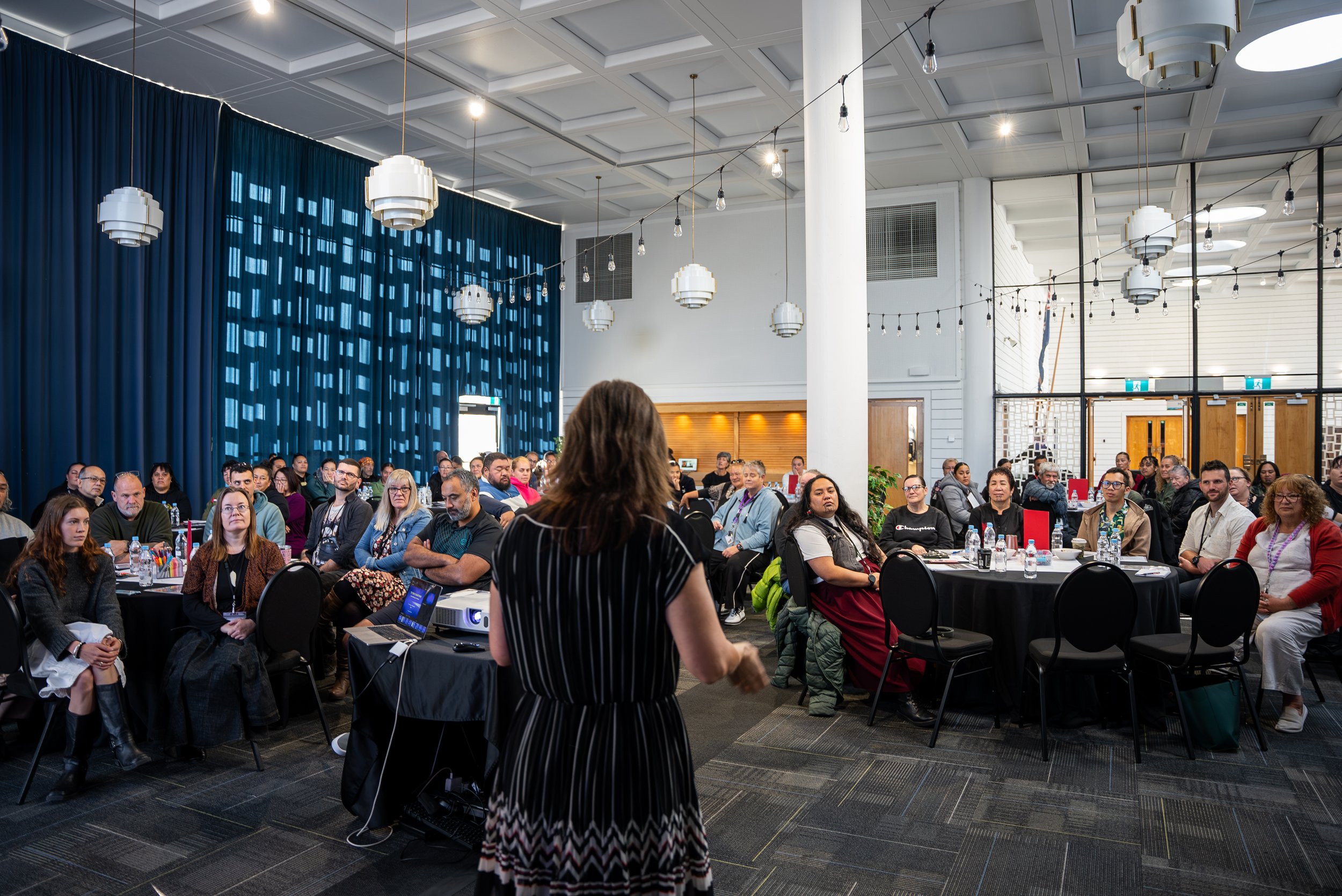
A powerful look at He Waka Eke Noa: The Toxic Stress Symposium, where 124 attendees and 51 organisations came together to address toxic stress, champion whānau-led solutions, and drive collective action for long-term wellbeing across generations.
-
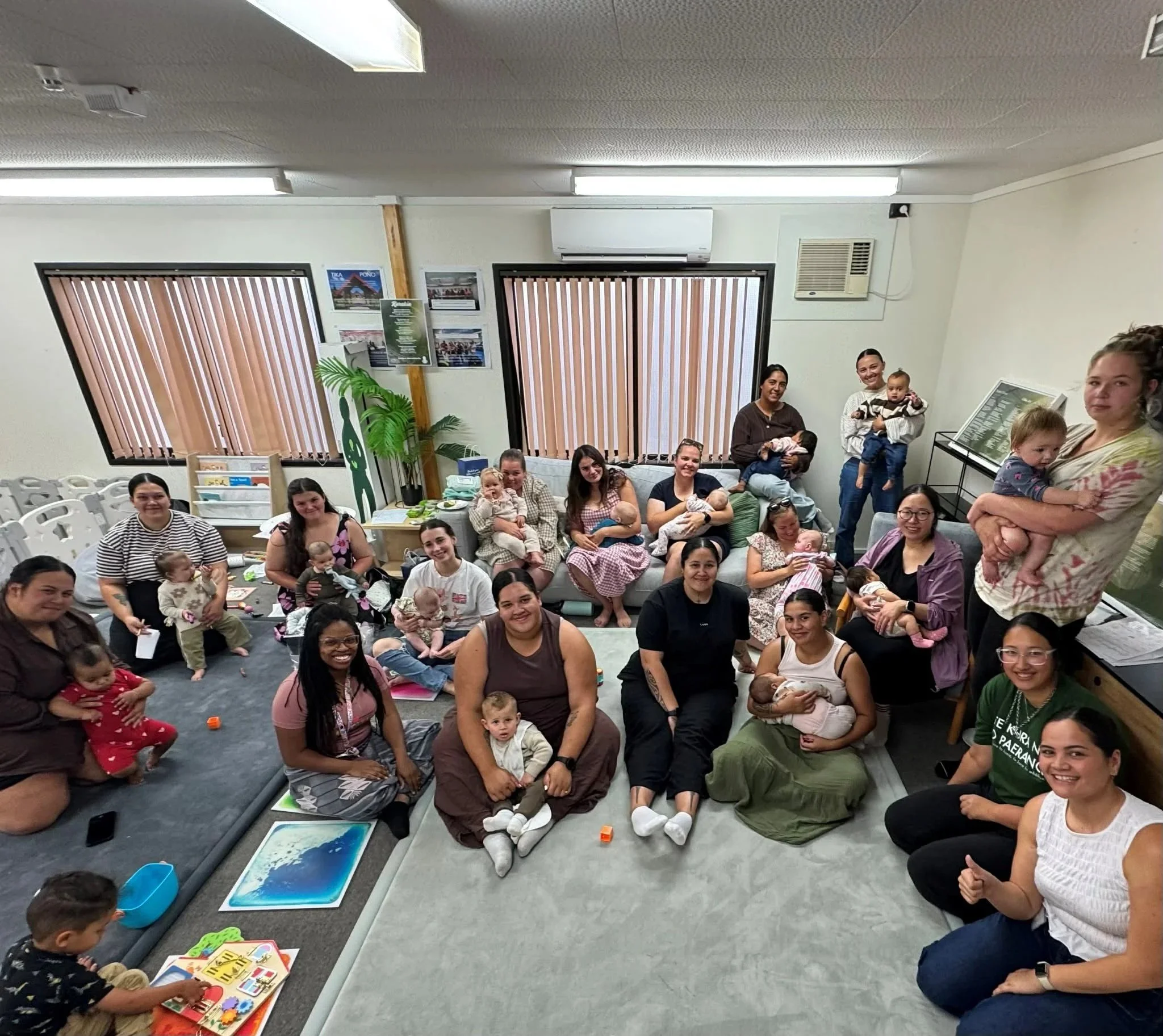
From Māmā to Kaimahi: A Co-Design Journey at Te Whare Piringa
A Whanganui māmā shares her journey from early parenthood to becoming a kaimahi at Te Whare Piringa, a space she helped co-design alongside other hapū māmā to support whānau through connection, care and collective strength.
Healthy Families Whanganui Rangitīkei Ruapehu is working alongside whānau to create healthier futures, where people can thrive in the places they live, learn, work and play.
Our People. Our Purpose. Our Stories.
Get to know the kaupapa behind Healthy Families WRR and the communities we serve.
Latest news & kaupapa
These stories reflect the voices, strengths and innovations shaping healthier futures across Whanganui, Rangitīkei and Ruapehu.
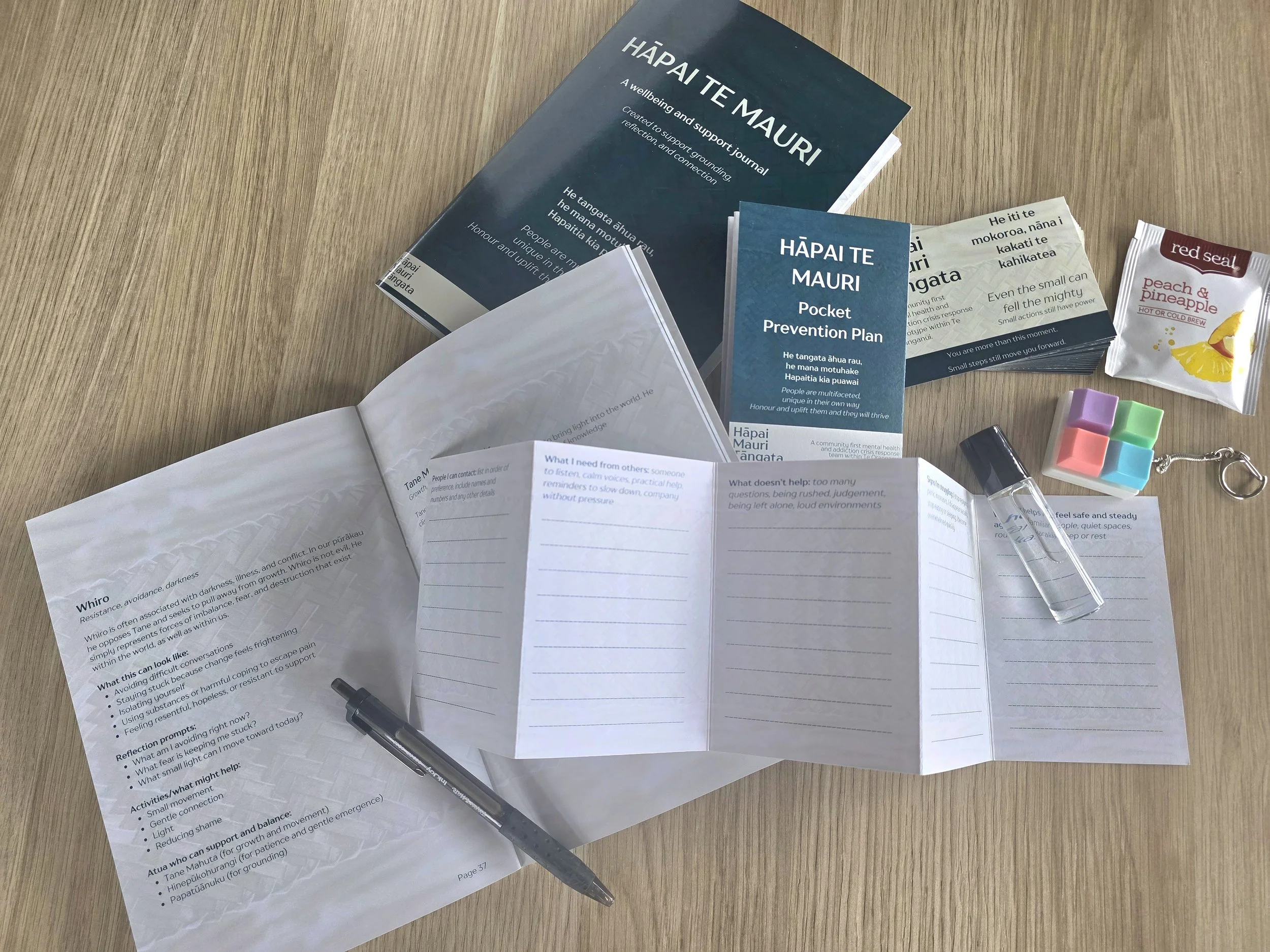
A mental health or addiction crisis is often the most vulnerable moment in a person’s life. How we respond can shape not only what happens next, but how whānau seek help in the future.
Hāpai Mauri Tāngata is a community first mental health and addiction crisis prototype exploring what’s possible when care, connection, and collaboration sit at the heart of crisis response. A partnership with New Zealand Police, Balance Aotearoa, and Whanganui Community Living Trust, Hāpai brings together clinical expertise, lived experience, and community knowledge to provide timely, compassionate, whānau centred support.
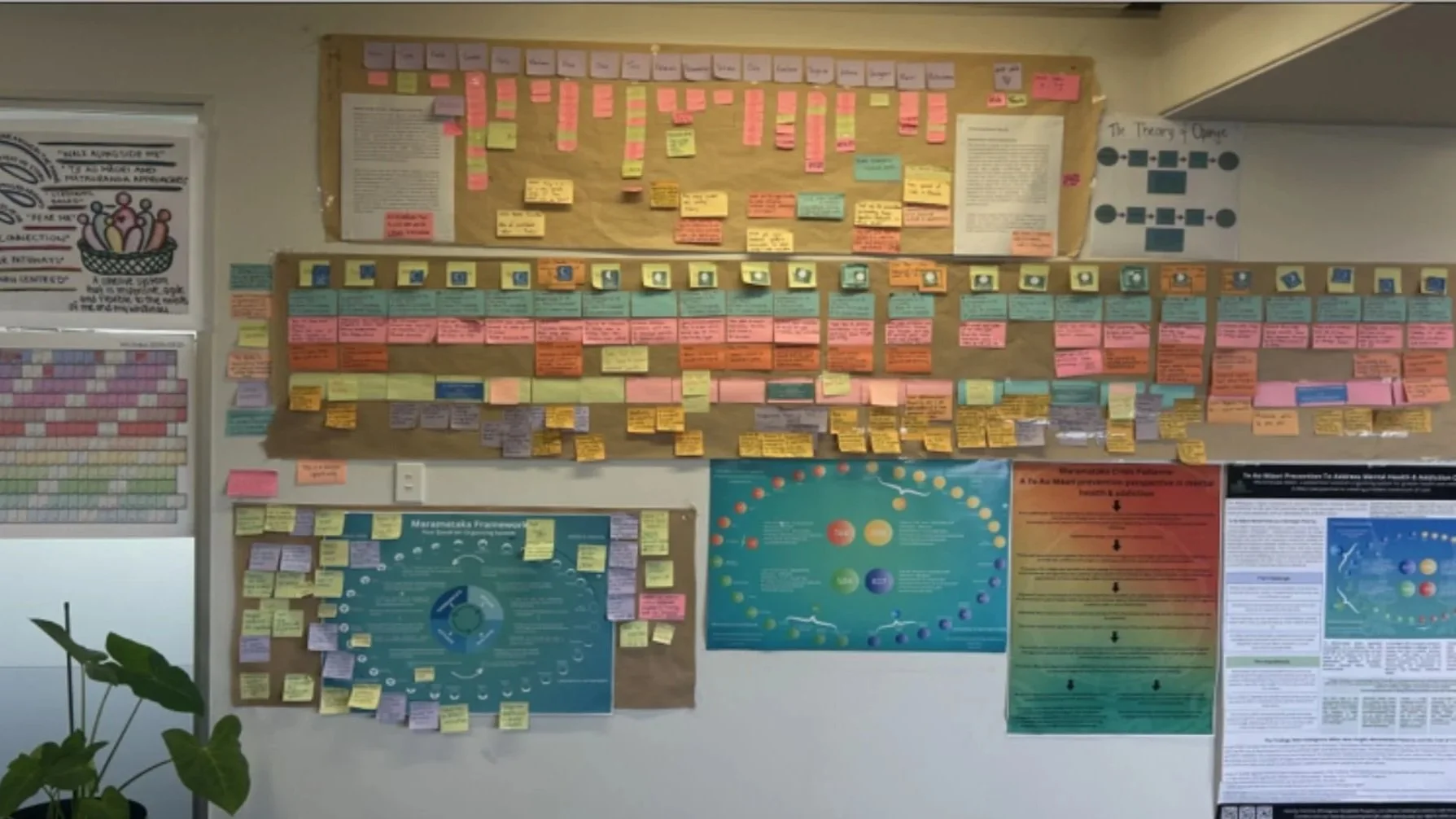
Our journey with Te Maramataka Māori has never simply been about bringing an Indigenous knowledge system into health promotion. It has increasingly asked us to reconsider how we understand prevention itself.
Prevention cannot sit with one person, one service, one organisation, or one knowledge system. Across this mahi, different rourou are being brought to the table.
If the aspiration is for mokopuna to grow and flourish, then the responsibility cannot sit with one service, one organisation, one workforce or even one generation.
Taking One Worry Away – Reducing Toxic Stress for Whānau
What if prevention started by taking just one worry away?
Evaluations of He Ara Hauora and Hāpai Mauri Tāngata, commissioned by Healthy Families Whanganui Rangitīkei Ruapehu and undertaken by Point & Associates, highlight the power of trusted relationships, culture, connection and collective action in reducing the impacts of toxic stress. The findings remind us that growing collective wellbeing is everyone's responsibility, and that small actions across our communities can make a lasting difference for whānau.
What if preventing distress started with connection? Most people experiencing distress first turn to someone they trust, not a service. This story explores how strengthening relationships, protective factors and community capability can help prevent challenges from escalating into crisis, and why growing collective wellbeing is everyone's responsibility.
What happens when distress shows up after the system has closed for the day?
Across Aotearoa, whānau continue to navigate crisis, grief, and isolation outside the hours many services are available.
This whakaaro challenges us to rethink how policy, funding, and wellbeing systems can better reflect the realities of people’s lives.
Within our Mokopuna Ora kaupapa, the whakataukī Whāngaia kia tupu kia puāwai has become both a guide and a reminder of our purpose. In its simplest form, it can mean: that which is nurtured blossoms and grows.
For us, this whakataukī speaks to creating the conditions that enable mokopuna, pēpi, māmā, pāpā and whānau to thrive in their hauora and mana motuhake. It reflects the importance of carrying intergenerational knowledge, wisdom and guidance forward, while creating spaces and environments where whānau feel connected, supported and able to flourish.
By centring mātauranga Māori, we prioritise relationality, whanaungatanga, manaakitanga and mana motuhake. Because if we want mokopuna to flourish, then we must create systems, environments and relationships that allow whānau to flourish also.
At a time when incremental change is no longer enough, this whakaaro challenges us to rethink how our health and social systems truly serve whānau. Grounded in the strengths of our region, our relationships, collective wisdom, and deep connection to place, it calls for a shift from fragmented, institution led models to a whānau centred system built on partnership, trust, and shared accountability.
From the concept of a Pa Network to the power of lived experience, collective intelligence, and community led innovation, this paper invites leaders and practitioners into courageous redesign. It highlights practical pathways for change, strengthening collaboration, rebalancing power and resources, and embedding innovation where it matters most, alongside whānau.
This is not about fixing the system as it is. It is about creating something better, together.
An approach to suicide prevention focused on community leadership, systems change, and strengthening collective wellbeing through connection, belonging, and early support.
What if physical activity worked with natural rhythms instead of against them? At Te Hoeroa Tū Manawa Ora, listening to rangatahi led to a new approach guided by the maramataka and holistic Māori wellbeing. By aligning movement with natural energy cycles, exercise becomes meaningful, achievable, and empowering.
Discover how sixteen rangatahi in Whanganui built confidence, identity and resilience through Te Hoeroa ki Tū Manawa Ora - a kaupapa Māori wellness programme empowering young people through culture, whenua and community support.
Our Year in Review video highlights a year of whanaungatanga, innovation and collective action across our region. From Mokopuna Ora and regenerative kai systems to Hapūtanga Wānanga, Toxic Stress Symposiums and co-designed whānau-led village models, each kaupapa reflects our growing momentum toward systems change and collective wellbeing.
This Story of Hope highlights Rupene Omahuru’s journey of healing through Runaia, a kaupapa Māori initiative reconnecting whānau to whakapapa, taiao, and holistic wellbeing. His lived experience shows how culturally grounded approaches transform lives, strengthen whānau, and inspire leadership.
Te Oranganui welcomes intern Alyeska Shore, a Global Studies student exploring art therapies for displaced communities. Informed by her own healing, she champions holistic care, draws on Māori symbology, and will help connect cultural knowledge with suicide prevention.
In this Whāriki webinar, Healthy Families kaimahi Ripeka Davis and Chy Potaka-Osborne joined Alex Woodley and Nadine Metzger from Point and Associates to unpack toxic stress, its impacts on tamariki, whānau and communities, and collective actions for safer, more supportive environments.
At Whangaehu Marae, HFWRR showed how crisis data aligns with Maramataka phases, affirming tūpuna knowledge. The insight shifts focus from crisis response to prevention, guiding culturally safe interventions grounded in mātauranga Māori and whenua rhythms.
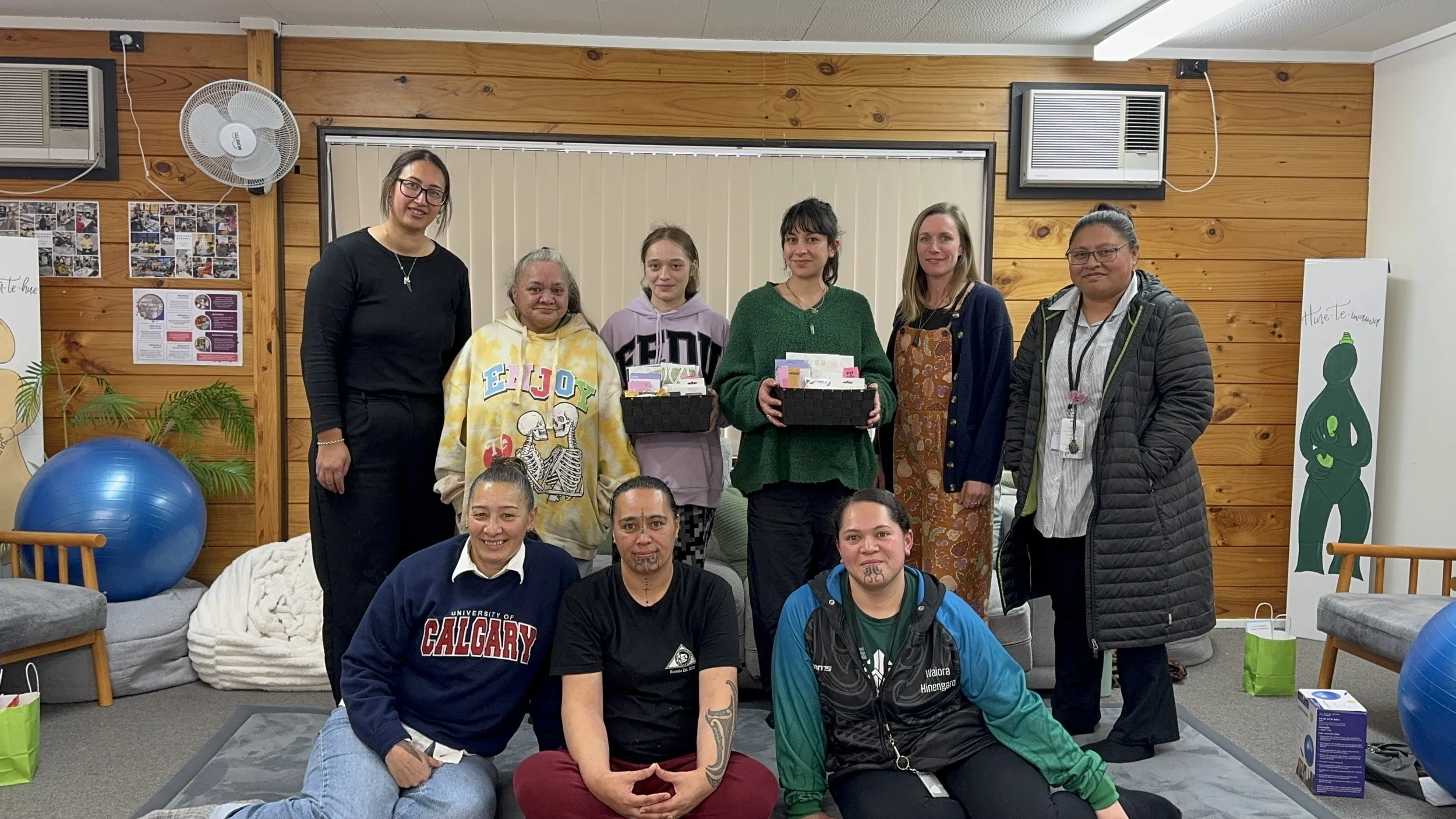
At Te Whare Piringa, whānau share powerful stories of hapūtanga, parenting, and support. These testimonies show how trust, tikanga, and connection are helping parents find confidence and reclaim their mana.
Baillie Chadfield, Kahurangi Simon Jnr, and Keita Puru began as parents in the Hapū Māmā and Pāpā Villages. Today, they’re part of Te Whare Piringa, turning lived experience into leadership and whānau aspirations into reality.
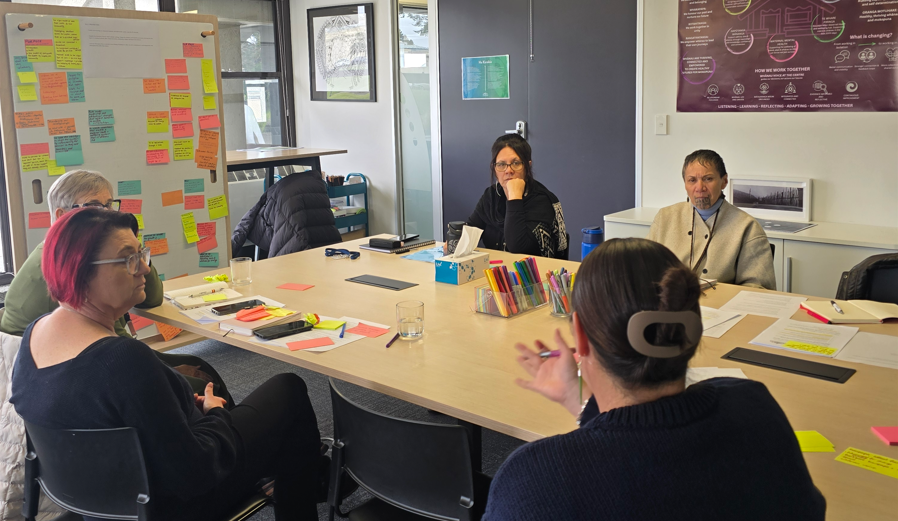
Chy Potaka-Osborne’s blog challenges us to let go of clinical assumptions and centre whānau voice in innovation. True change comes when solutions are co-created with whānau, honouring lived experience and building systems that empower rather than prescribe.
Intern Daniel Hiroti’s report highlights how oral health in the first 2000 days shapes lifelong wellbeing. For tamariki Māori, systemic barriers like access to kai, dental care, and culturally safe services mean change is urgently needed. His vision calls for prevention, equity, and whānau-led solutions to ensure tamariki thrive with confidence, nutrition, and bright smiles.
Toxic Stress Symposium #2 examined how toxic stress affects health and wellbeing, with Point Research, community, and kaimahi discussing collective actions to tackle root causes such as poverty, food insecurity, and family violence.
Maramataka, the Māori lunar calendar, guides prevention and wellbeing. In Whanganui, Rangitīkei, and Ruapehu, years of research led by Meretini Bennett-Huxtable have shown how lunar phases influence patterns of distress and resilience.
Jarna’s journey with Healthy Families WRR shows the power of rangatahi leadership, from kaupapa Māori initiatives to her internationally recognised Gambling Harm Insights Report.
Through Rūnāia, whānau share powerful stories of overcoming addiction, mental health struggles, and disconnection. Their testimonies show how this kaupapa is helping people heal, reconnect with te ao Māori, and find pride and hope in their journeys.
Ra-wiri Kereti grew up in Taihape, and now she is raising her children in Whanganui, grounded in the strength of Māoritanga and whakapapa. She is a valued member of our team at Te Oranganui, embodying the true essence of Whānau Ora, that the whānau is at the heart of everything.
After studying psychology in Wellington, Kaia Potaka-Osborne returned to Whanganui to support whānau wellbeing through Te Oranganui’s Mokopuna Ora initiative. Her journey highlights the power of coming home, internships and whānau-centred care.
A special Māmā’s Day video honours māmā with heartfelt dedications from our kaimahi and community - a celebration of aroha and gratitude.
Isobel “Izzy” Clawson, a 19-year-old anthropology student from Indiana, reflects on her internship with Healthy Families Whanganui, Rangitīkei, Ruapehu. Immersed in kaupapa Māori and community-led systems change, she shares her learnings about power sharing, cultural connection and designing with communities, not for them.
Our Kaupapa
Our mahi is shaped by five key focus areas. Each kaupapa reflects our commitment to community-led change, grounded in te ao Māori and guided by the voices, strengths, and aspirations of whānau across Whanganui, Rangitīkei, and Ruapehu.
-
Through community-led design and collaboration, Mokopuna Ora aims to create supportive environments where pēpi and their families can thrive.
-
By amplifying whānau voices and supporting local solutions, we aim to create environments where people feel connected, supported, and able to flourish.
-
By backing whānau, growers, and kai innovators, we’re working to build sustainable, culturally grounded kai pathways that support health, resilience, and food sovereignty.
-
Rangatahi Innovation creates space for young people to lead, dream, and design bold solutions for the future. By supporting rangatahi-led ideas and leadership, we’re nurturing innovation that reflects their realities, strengths, and aspirations
-
Mātauranga Māori uplifts Indigenous knowledge as a foundation for wellbeing and transformation. By centring tikanga, pūrākau, and whakapapa, we’re creating pathways that honour te ao Māori and strengthen cultural identity across all we do.
Strong in Place and Woven Together
Grounded in our rohe, we part of a wider movement for whānau-led change across Aotearoa
Whakapapa
We’re deeply connected to Te Oranganui Trust, an iwi-led organisation supporting Māori well-being since 1993.
Grounded
We serve Whanganui, Rangitīkei, and Ruapehu communities through place-based, whānau-led systems change.
Connected
We are one of 11 teams across Aotearoa driving community-led health transformation. Learn more healthyfamilies.org.nz
Subscribe Now