

Growing Our Collective Capacity to Support Wellbeing
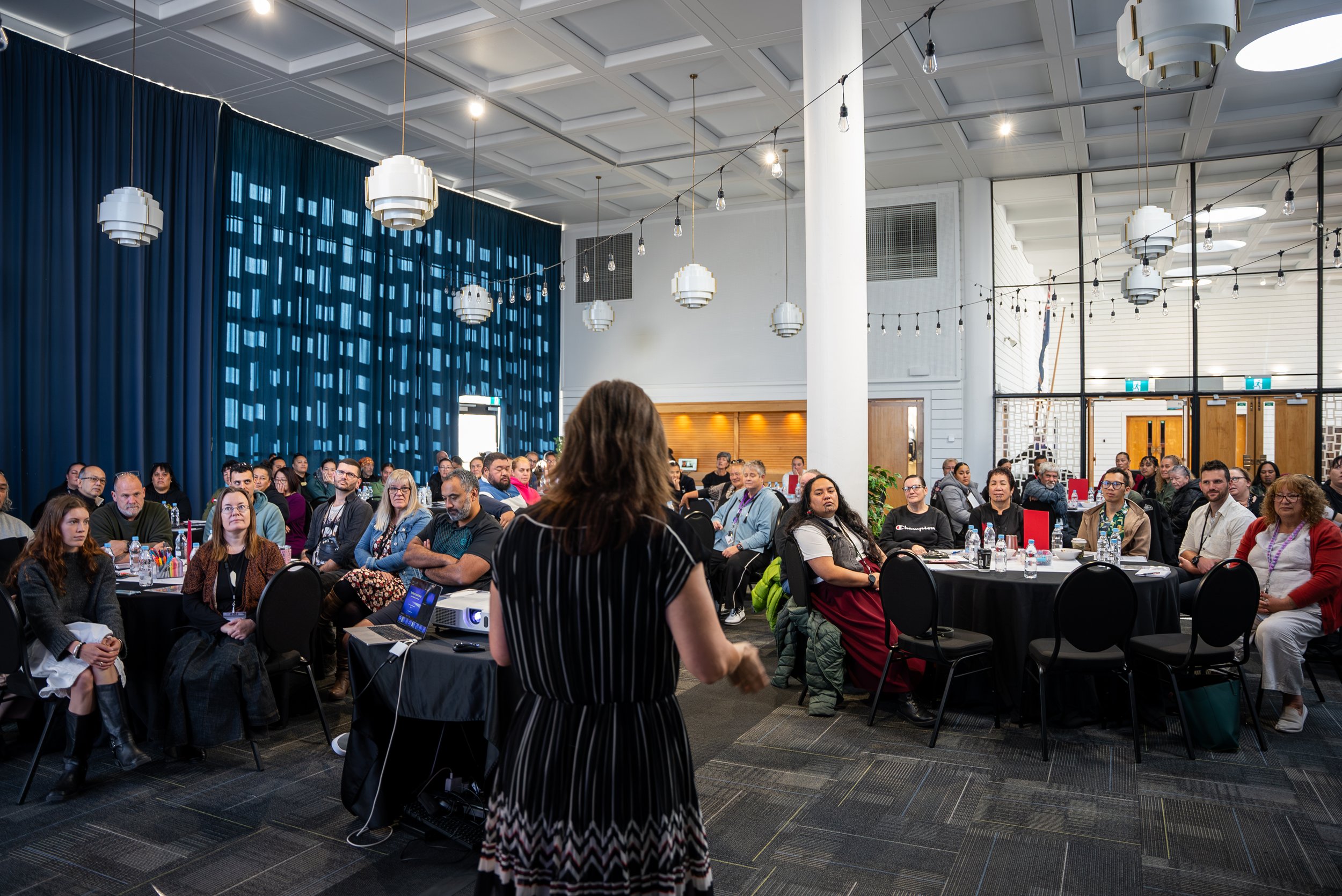
At some point in our lives, most of us will sit alongside someone we care about who is struggling. It might be a friend who has become withdrawn. A partner carrying more than they can manage. A colleague who seems overwhelmed. A whānau member who is no longer quite themselves.
Often, these moments do not look like a crisis. They look like everyday life is becoming increasingly difficult. For many whānau, the hardest part is not knowing what to do or say. For many whānau, the hardest part is not knowing what to do or say.
Across Whanganui, Rangitīkei and Ruapehu, Healthy Families has been working alongside communities to grow collective wellbeing by strengthening the conditions that help people stay connected, supported and well. At the heart of this Kaupapa is a simple belief. Wellbeing is created through relationships, belonging, connection and communities that look after one another.
When someone experiences distress, the first response is rarely a service.
More often, it is a conversation.
A trusted friend who notices.
A whānau member who checks in.
A coach who takes the time to listen.
A neighbour who asks if everything is okay.
These moments matter because they are often where prevention begins.
This understanding has informed the development of A Practical Guide for Responding to Wellbeing and Distress, a resource designed to help whānau and communities recognise distress early, respond with confidence, and strengthen support before challenges escalate into crisis.
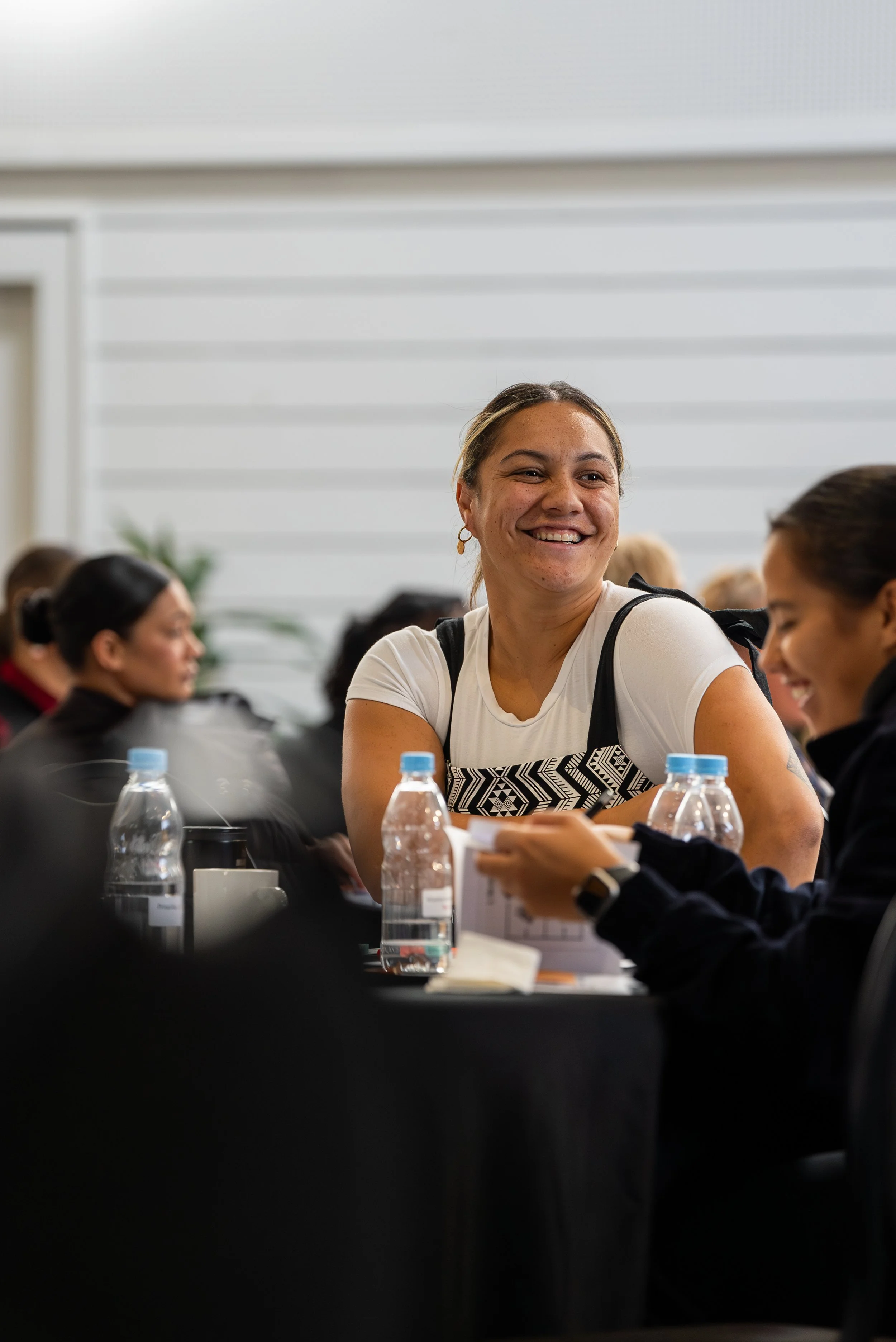
Prevention Starts with Connection
Too often, conversations about well-being begin once someone has reached a crisis point.
A prevention approach asks a different question.
What helps people stay well in the first place? The answer is often found in the protective factors that surround us every day:
Strong whānau relationships
A sense of belonging
Connection to culture
Trusted friends and support networks.
Safe and supportive environments.
Opportunities to contribute and participate.
These protective factors help people navigate challenges, recover from setbacks and stay connected when life becomes difficult. They strengthen resilience, reduce isolation and create the conditions for wellbeing to flourish.
This is where collective impact matters.
No single organisation, service or programme can create wellbeing on its own. Strong wellbeing outcomes happen when whānau, communities, schools, workplaces, sports clubs, iwi, hapū and services all contribute to creating environments where people feel valued, connected and supported.
Different people play different roles, but together they contribute to the same outcome:
Healthier people
Stronger whānau
More connected communities
This is the essence of collective wellbeing. It recognises that the well-being of individuals is deeply connected to the well-being of those around them. When communities invest in connection, belonging and support, the benefits extend beyond any one person, strengthening whānau, communities and future generations.
Growing Wellbeing Together
The guide provides practical tools and strategies to help people recognise signs of distress, respond with empathy and compassion, and connect others with the support they may need. It focuses on simple but powerful actions such as:
Listening without judgement
Creating safe spaces for conversation
Checking in regularly
Encouraging connection
Strengthening networks of support
Importantly, it recognises that support does not always require having the right answers.
Often, what matters most is showing up.
Being present.
Listening.
Checking in.
Helping someone feel seen, valued and less alone.
Many of the foundations for prevention already exist within our communities. They exist in our whānau, marae, sports clubs, schools, workplaces and neighbourhoods. The opportunity is not to create an entirely new system of support. It is to strengthen what is already there.
By building confidence, strengthening connections and growing community capability, we create stronger pathways of support around people before challenges escalate. This not only improves wellbeing outcomes for individuals and whānau, but it also strengthens the resilience and wellbeing of our communities.
Because when communities have the confidence and capability to support one another, the impact extends far beyond individuals.
Whānau become stronger. Communities become more resilient. More people experience belonging, hope and wellbeing. That is the power of collective action. That is the power of prevention. That is how we grow collective wellbeing together.